
Joy doesn’t always arrive with fireworks.
More often, it shows up quietly, in the scent of fresh coffee in the morning, the way sunlight dances on your windowpane, or the sound of a friend laughing at just the right moment. In a world that often feels fast, heavy, or uncertain, it’s easy to overlook these gentle sparks of joy. But they’re there. And they matter.
At AOC, we often talk about big things: trauma, loss, healing, and mental health. But just as important are the small things — the everyday moments that help ground us, lift us, and remind us that life is still worth noticing.
Because joy isn’t just a feeling, it’s a practice. And it’s often found in the spaces we least expect.
Why the Little Things Matter
Research shows that small, positive experiences, often called “micro-moments of joy”, have a tangible impact on our well-being. They help regulate the nervous system, reduce stress, and create a sense of connection and meaning.
And yet, we tend to dismiss them.
We often tell ourselves we’ll be happy once we reach a goal, make a change, or solve a problem. But joy isn’t waiting on the other side of achievement. It lives alongside everything else, even on hard days.
Learning to notice joy is a skill. One that can be gently nurtured, even in the middle of grief, struggle, or mental health challenges.
Where to Find It
You don’t need a radical life overhaul to feel more joy. You need to slow down long enough to notice what’s already around you. Here are a few places it often hides:
-
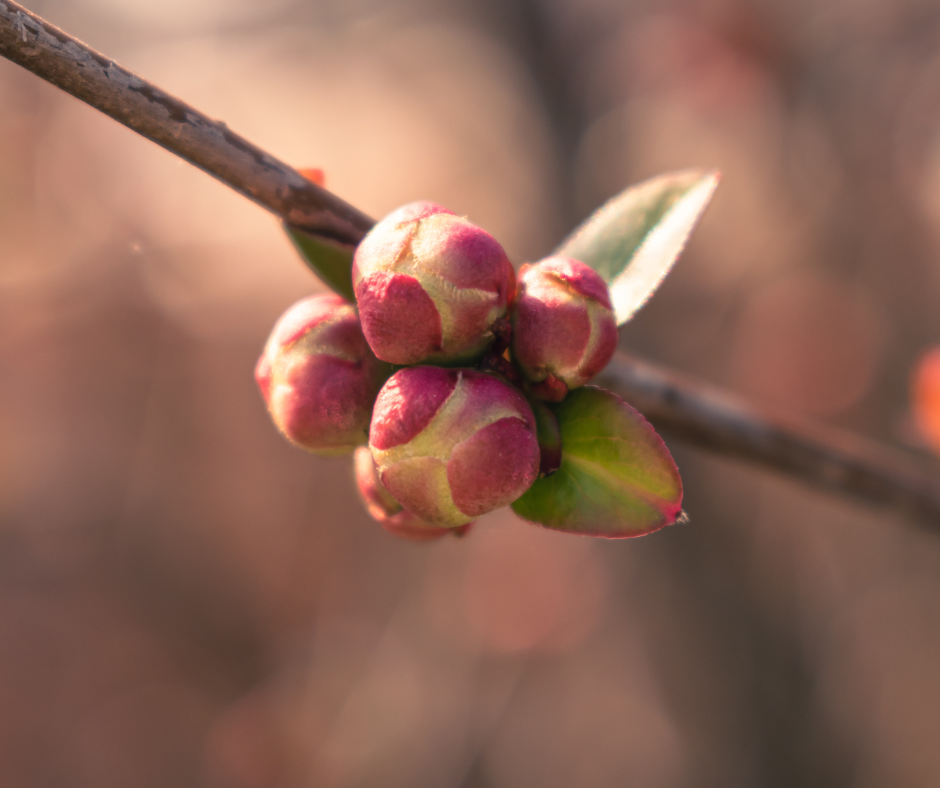
Nature. A tree in bloom, a bird singing, the smell of rain on warm concrete, nature has an uncanny way of bringing us back to the present. Try stepping outside, even just for five minutes.
-
Connection. Joy lives in conversation, eye contact, shared humour, and silent understanding. It doesn’t have to be deep; even a smile from a stranger can shift something inside you.
-
Rituals. Lighting a candle at the end of a long day. Listening to your favourite song. Cooking your favourite meal. Small rituals can become acts of joy and self-care.
-
Movement. A short walk. A stretch. Dancing around your kitchen. Our bodies hold more joy than we give them credit for; we need to let them move.
-
Gratitude. Not forced or performative, but real. Try asking yourself at the end of the day: What was one good thing today? Even if the day was difficult, there’s often something — a moment of relief, a kind word, a deep breath.
Joy and Therapy
In therapy, we often focus on pain, patterns, and healing. But joy is part of the work, too. Sometimes the first sign of recovery is the ability to laugh again, to feel excitement, to plan something that feels good.
At AOC, our work supports people in finding space for joy, not as a distraction from pain, but as a powerful counterbalance to it. We remind our clients that it’s okay to feel joy while still carrying grief. That light can exist alongside shadow.
Joy doesn’t mean everything is perfect. It means something is still good, still beautiful, still worth waking up for.
A Final Thought
You don’t have to chase joy. You have to notice it. Let it find you.
In the sound of your child’s footsteps down the stairs.
In the steam rising from your morning tea.
When someone says your name, do it kindly.
In the first deep breath you’ve taken all day.
There is joy here.
Not in some far-off future – but right now, in this moment.
And you are allowed to feel it.